
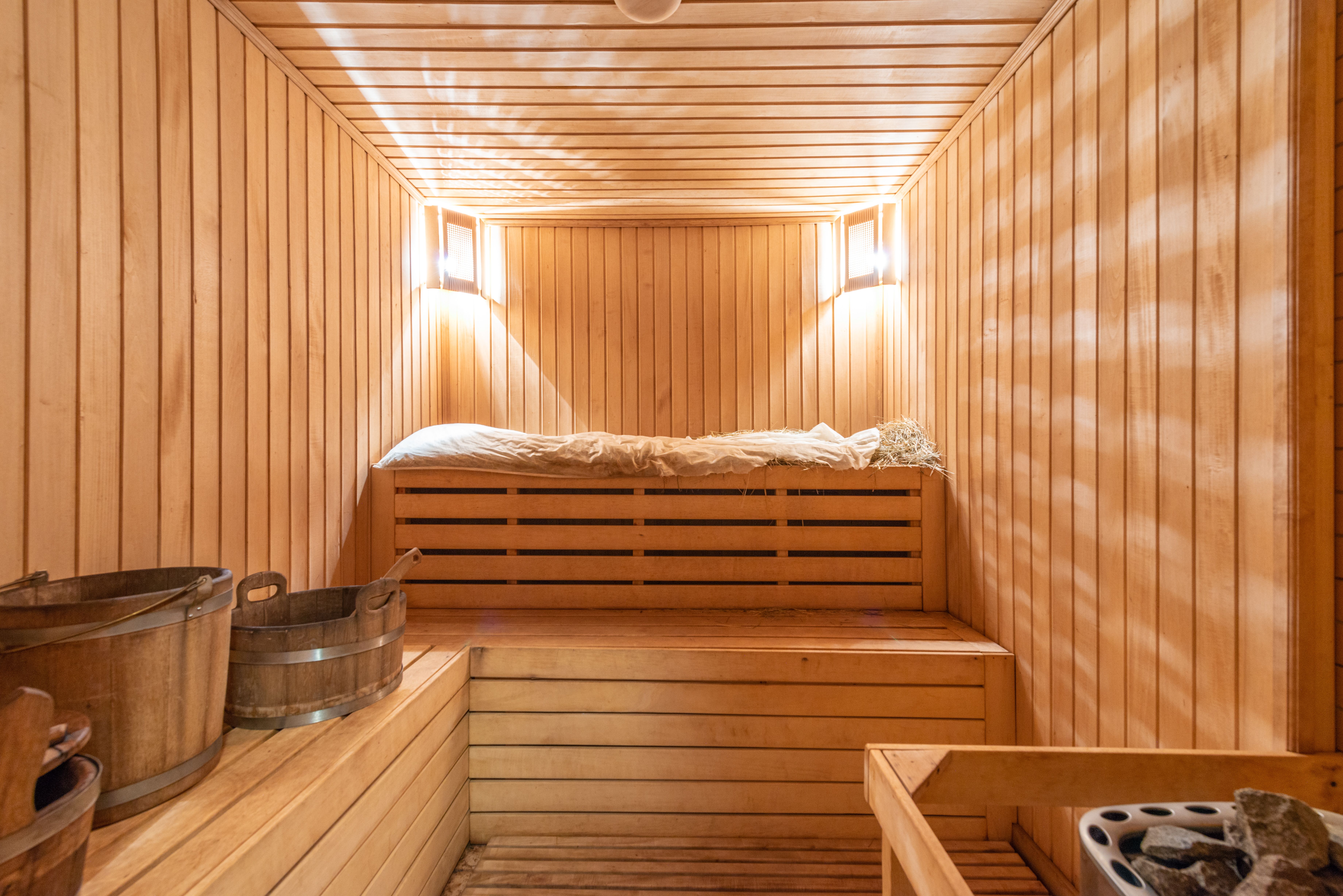
Sauna use has evolved from ritual to a measurable health practice with decades of data. When dosed well, heat exposure can support cardiovascular conditioning, stress resilience, and healthy aging.
Why sauna works
- Heat shock proteins help manage cellular stress and repair (Patrick, 2014).
- Cardiovascular conditioning similar to moderate exercise is observed in frequent users (Laukkanen et al., 2015).
- Lower systemic inflammation and improved endothelial function have been reported (Kihara et al., 2002; Journal of Human Hypertension, 2018).
- BDNF rises during heat, supporting neuroprotection and cognitive health (Experimental Gerontology, 2017).
Evidence-informed protocol
- Heat target: traditional sauna roughly 80–90°C; infrared roughly 50–60°C. Different heating mechanisms can deliver similar cardiovascular load.
- Duration: about 19–20 minutes, 2–3 rounds—frequently cited as an effective window for heat shock protein activation.
- Frequency: 4–7 sessions weekly was associated with lower sudden cardiac death, fatal heart disease, dementia, and all-cause mortality in long-term cohorts (Laukkanen et al., 2015; Laukkanen et al., 2018).
- Cooldown: hot–cold contrast (about 1–3 minutes cold rinse or plunge) may support noradrenaline release, brown fat activation, and metabolic lift (Søberg, 2021).
- Hydration: replace roughly 300–500 ml of fluid per 20-minute session with water and balanced electrolytes to offset sweat losses.
How to apply it
- Use the SaunaMethod calculator and timer at /calculator to set heat, rounds, and cooldown precisely.
- Track weekly exposure to stay consistent and avoid overdosing.
- Pair with evidence-informed tools at /products (cooling aids for contrast therapy, infrared blanket for at-home sessions, magnesium for evening wind-down).